 Description
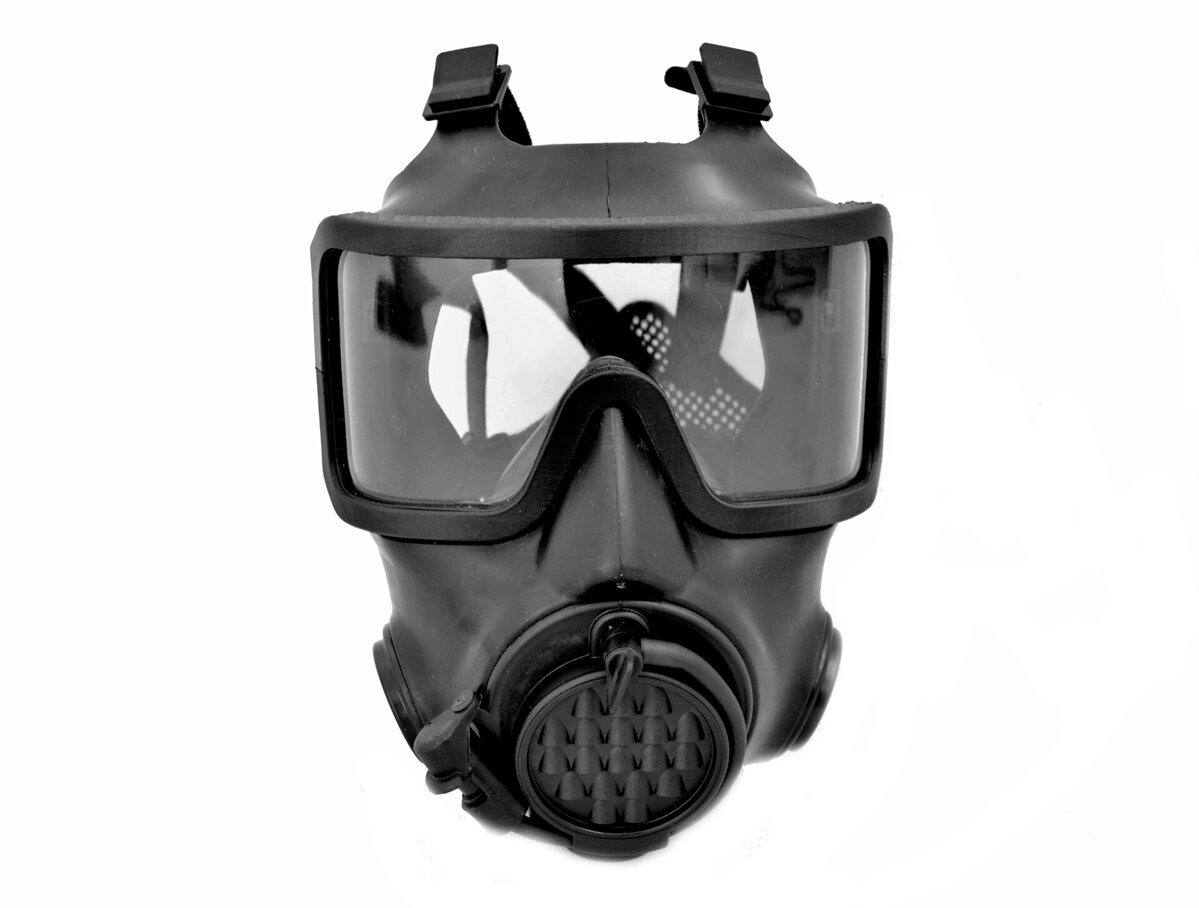
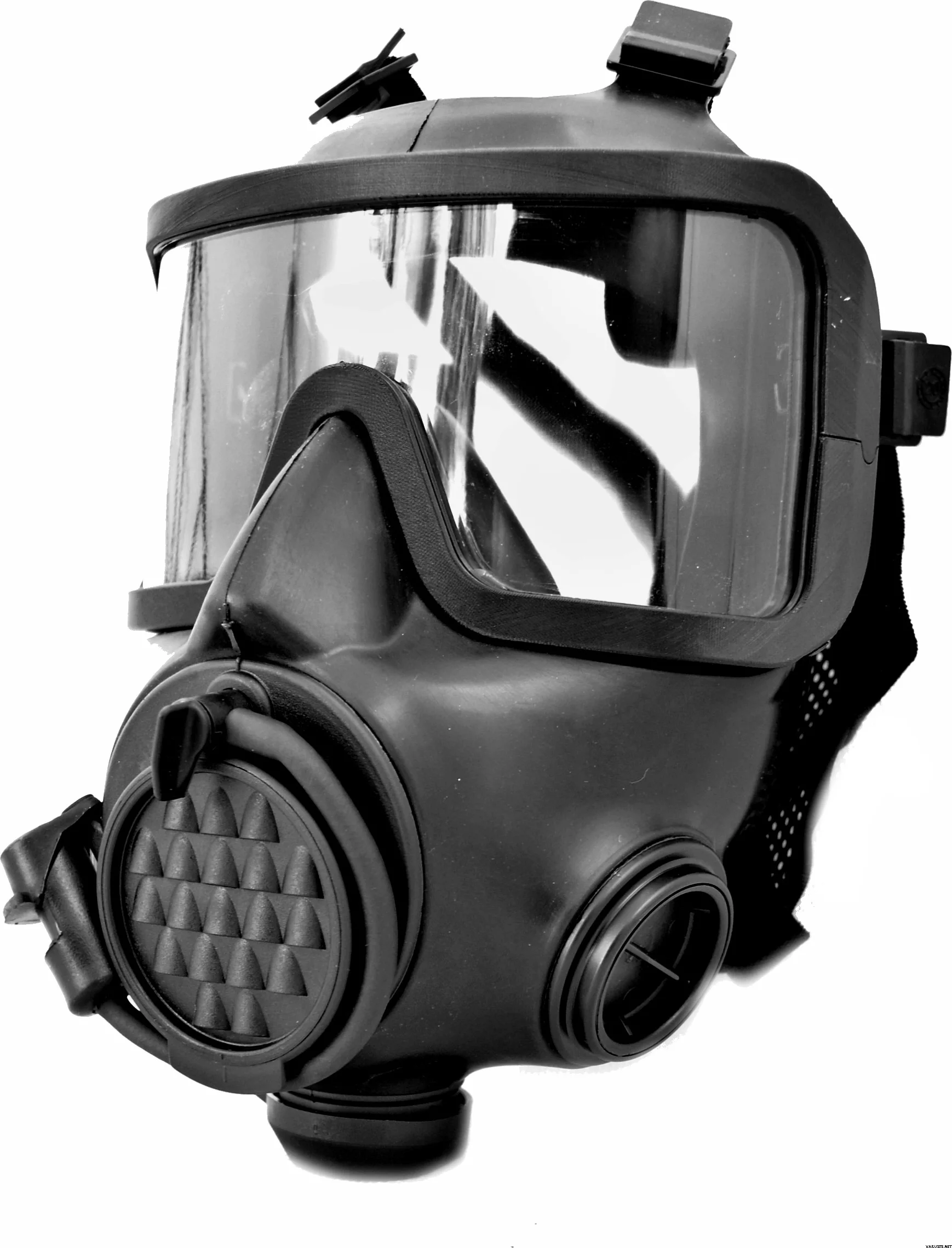
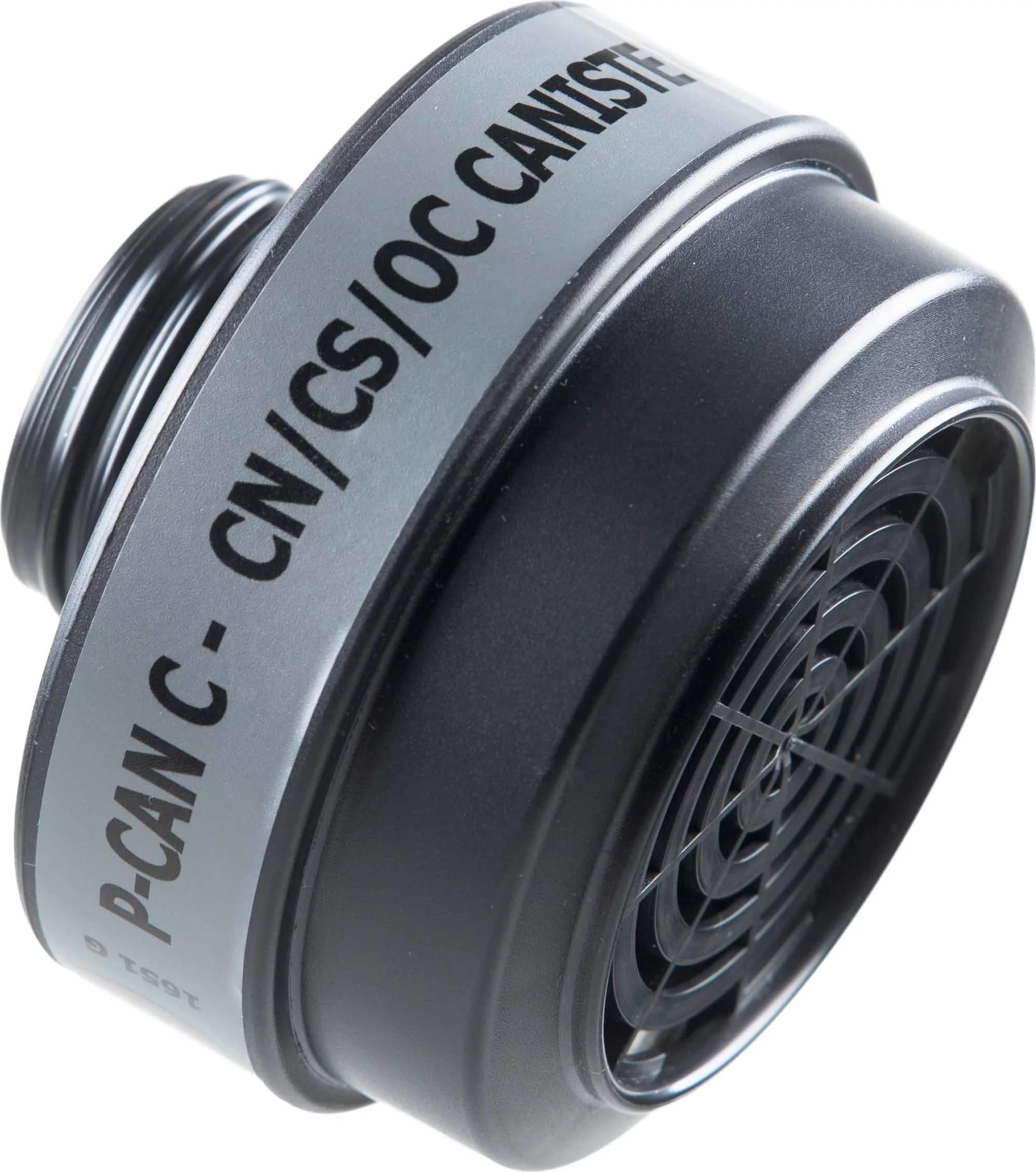
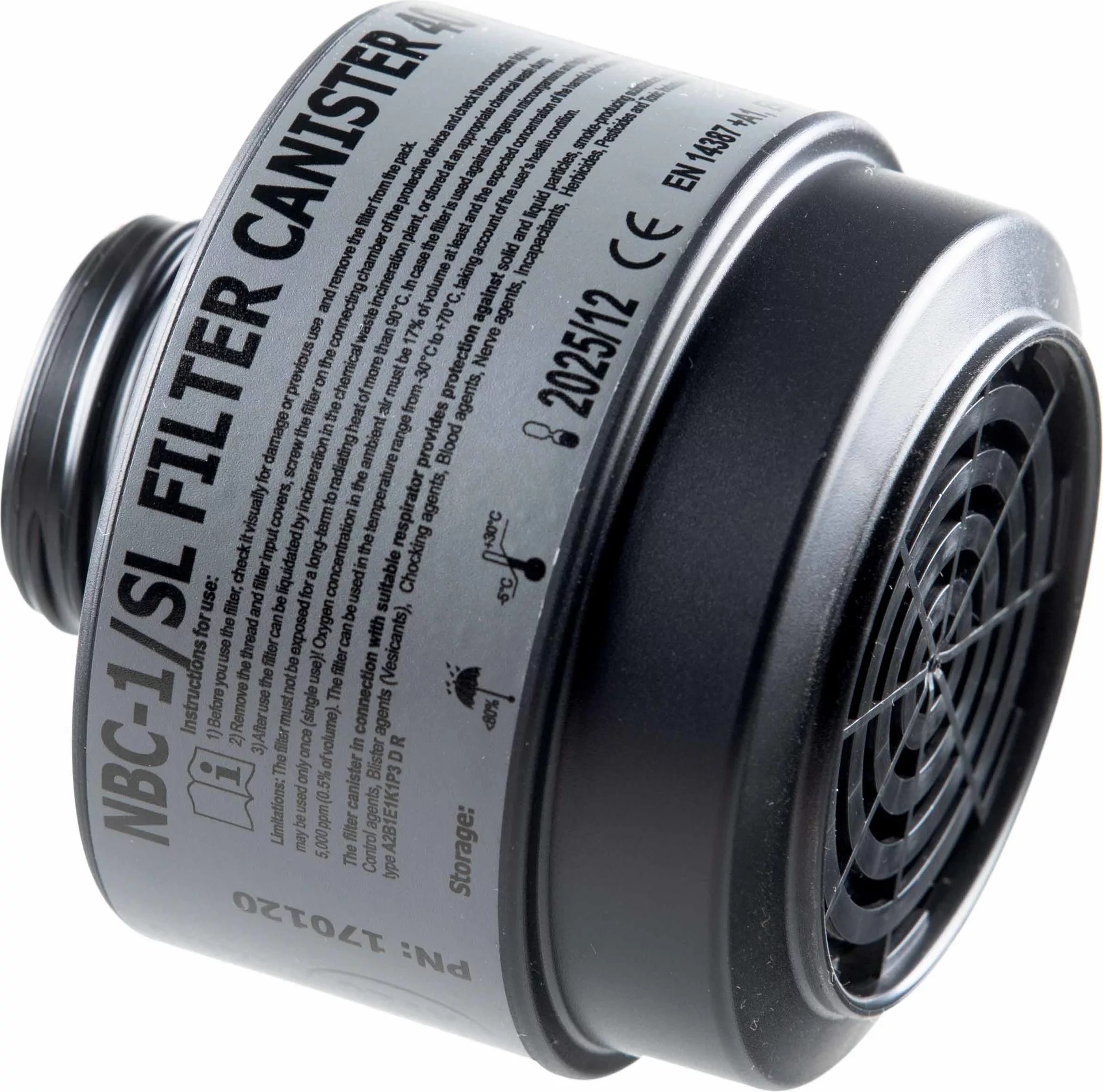
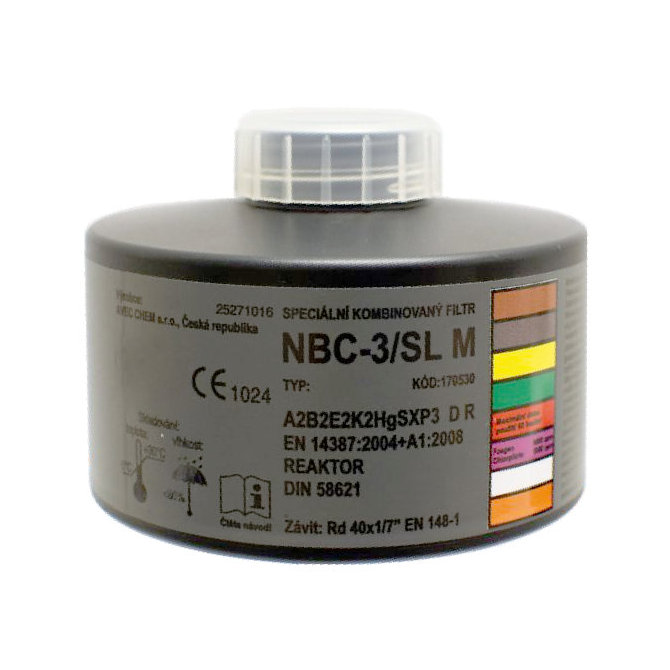
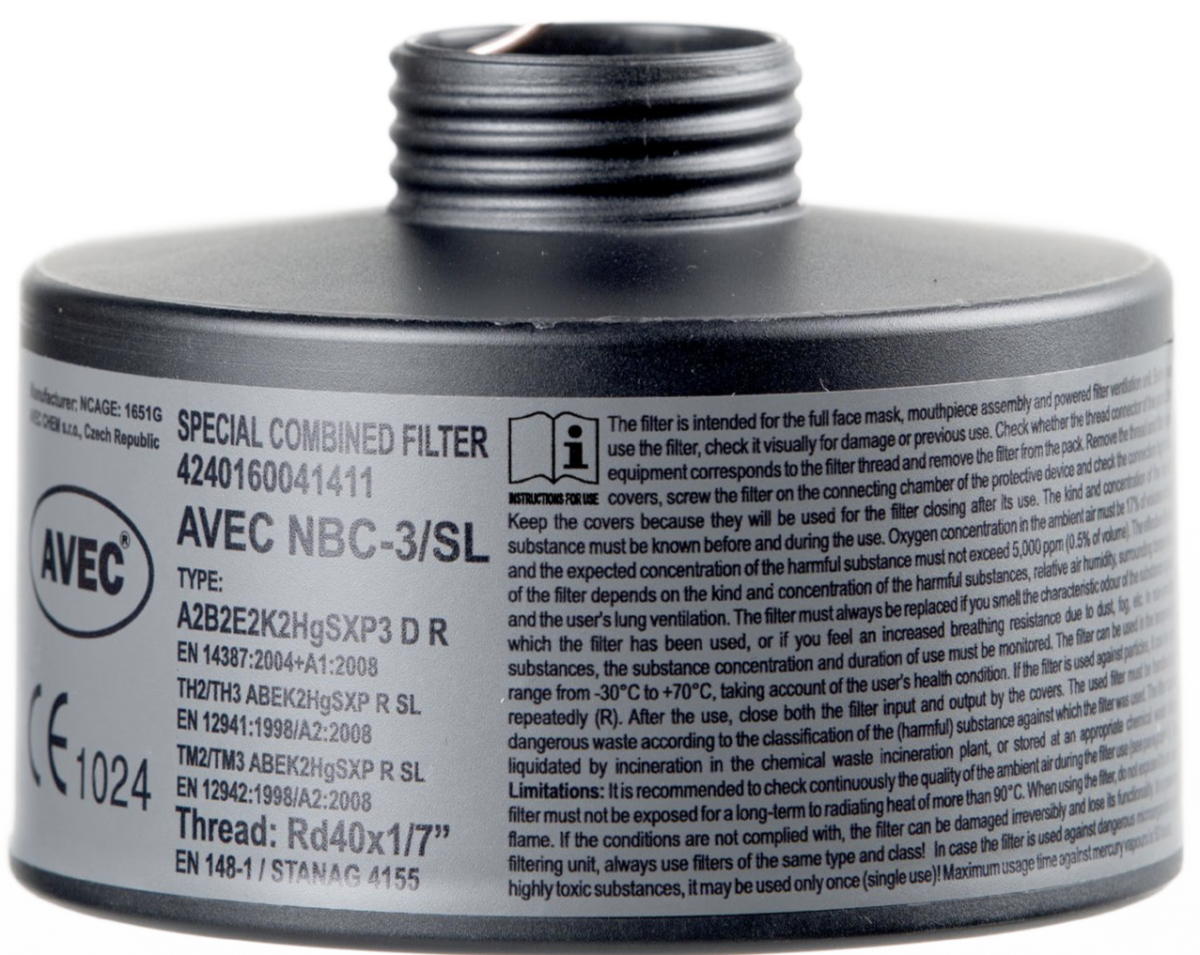
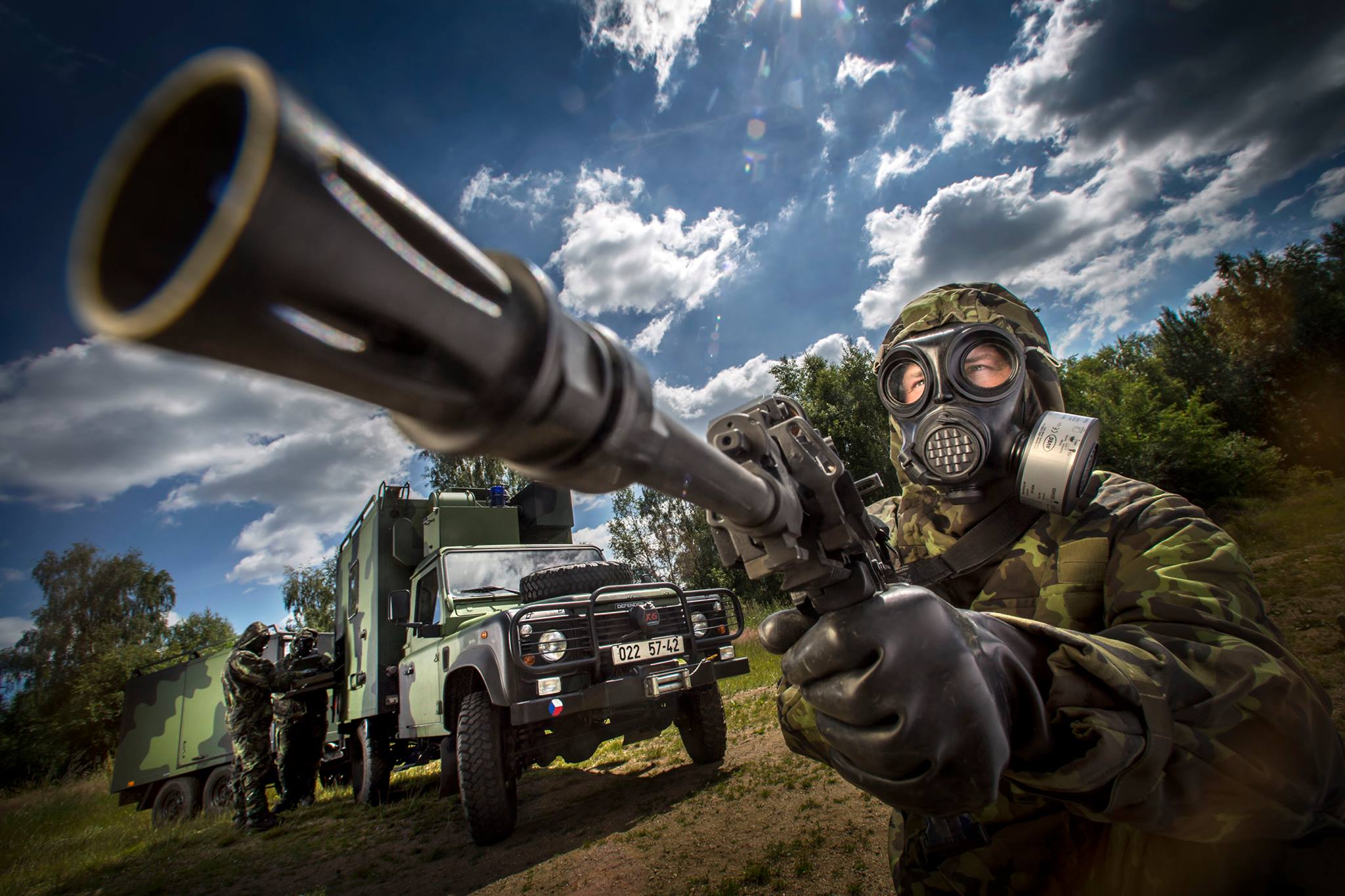
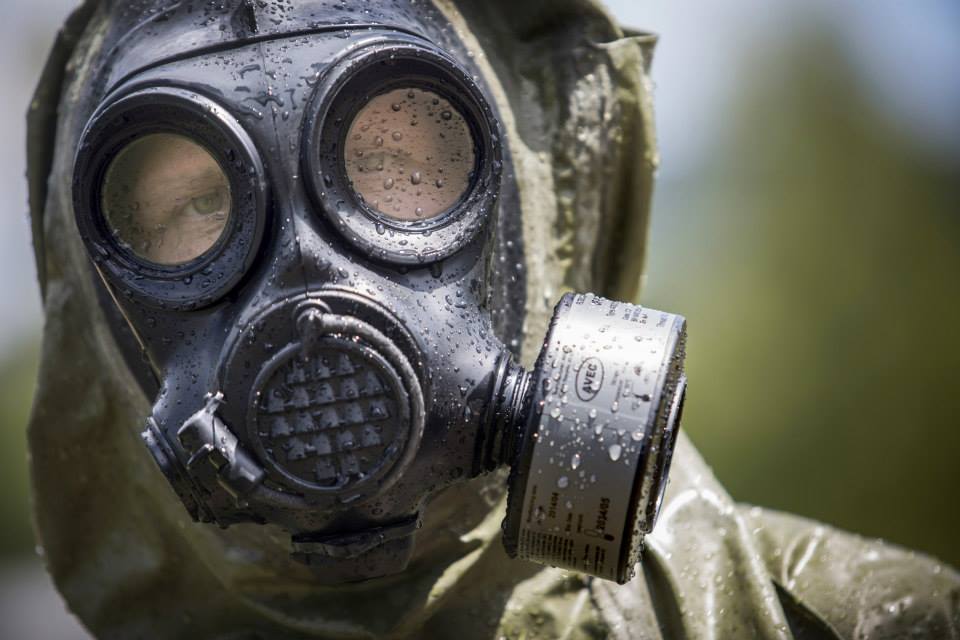
Gas Mask FilterAVEC-CHEM NBC-3/SL M for use on gas masks or powered respirators, ensures filtration of agents toxic to the respiratory tract – including all known CBRN toxic agents (vapors, gases, aerosols, contaminated dusts).
Gas Filter classA2B2E2K2HgSXP3 D RREACTOR & CE standardizedEN 14387: 2004 - A1: 2008, manufactured fromreinforced polymer,provides excellent thermal and mechanical resistance. (40 × 1/7 “- 40mm thread compatible with all military and civilian NATO protection equipment or equipment of European or American manufacture.
Provides filtering againstsolid & liquid particles, pepper spray (OC), radioactive particles, bacteria & rickettsiae, fungi, toxins, viruses & riot control agents, blistering, suffocating, blood, neurotoxic, incapacitating agents, herbicides, pesticides and TICs, nuclear & organic substances, organic arsenic compounds, toxic industrial chemicals (including organic iodine compounds), and radioactive particles - Radioactive Iodine (131, 132 ), including radioactive methane iodide.
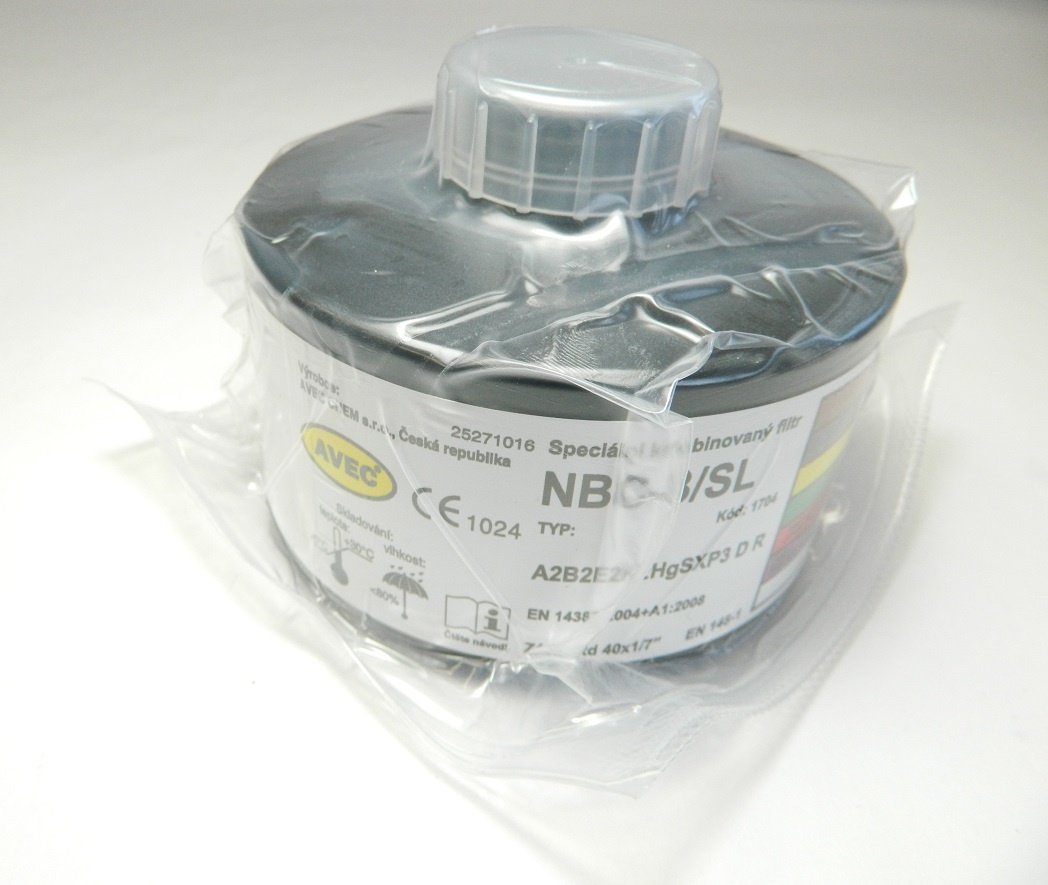
STORAGE PERIOD: 20 YEARS - IN ITS THERMO-SEALED COVER
Product data & resistance to inspiration / expiration (in pascal):
| Technical Data |
Breathing Resistance in Pa Breathing Resistance in Pa |
||
|---|---|---|---|
| Diameter |
110 mm |
@ flow rate 30l / min. IN 1) WITH-CHEM NBC-3 / SLM 260 <140 |
@ flow rate 95l / min. IN 1) WITH-CHEM NBC-3 / SLM 980 <600 |
| Height |
85 mm |
||
| Weight |
335 g ± 5% |
||
| Storage time |
20 years (factory sealed) |
||
- Gas Mask FilterAVEC-CHEMNBC-3/SL M
- 40mm NATO thread - standardizationSTANAG 4155 (IN 148-1)
Service life & filtration (in %):
- Penetration resistance tested according to standard14387 + A1(70% humidity rate - 30L / m flow)
- Resistance to the penetration of radioactive iodines (and its organic components): according to standardDIN 58621
- Calculation of the effective service life in a contaminated area: concentration / DAC (Dynamic Adsorption Capacity) -CONTACT US FOR MATHEMATICAL FORMULATION
| Type and Class Particle filter efficiency @ flow rate 95l / m |
Particle filter efficiency @ flow rate 95l / m |
|||
|---|---|---|---|---|
| A2 - organic gases and vapors |
SX - CG, CK, PS |
Sodium Chloride NaCl (S) Paraffin Oil (L) |
99,95 99,95 |
WITH-CHEM NBC-3 / SLM> 99,999> 99,999 |
| B2 - inorganic gases and vapors |
P3 - particles |
|||
| E2 - acid gases and vapors |
D- dust |
|||
| K2 - ammonia and amines |
R- reusable |
|||
| Hg - mercury vapors |
REACTOR |
|||
Effective filtration:
Solid and liquid particles, pepper spray (OC), smoke-emitting substances, radioactive particles, bacteria and rickettsiae, fungi, toxins, viruses and riot control agents (pressure reducers, sternutators). , blistering agents), blistering agents, suffocating agents, blood agents, nerve agents, incapacitating agents, herbicides, pesticides and TICs, such as bromoacetone, CS, CR, CN, nuclear substances, organic substances, organic arsenic compounds – diphenyldichlorarsine – CLARK I (DA), diphenylcyanoarsine – CLARK II (DC), adamsite (DM), diphenyldichlorarsine (DA), ethyldichlorarsine (ED), methyldichlorarsine (MD), mustard gas (H), sulfur mustard gas (H), sulfuric gas (HD), Mustard gas T, mustard gas Q, nitrogen mustard gas (HN1, HN2, HN3), lewisite (L), mixed mustard gas (HL), phosgene oxime (CX), phosgene (CG), diphosgene (DP), chloropicrin (PS), hydrogen cyanide (AC), cyanogen chloride (CK), arsine (SA), G agents: sarin (GB), cyclo sarin (GF), soman (GD), tabun (GA), IVA (GV), V agents: VX, VR, VE, VG (amiton), VM and toxic industrial chemicals such as: vapours of organic or inorganic acids, hydroxides, organic solvents with a boiling point above 65 ° C, ammonia, amines, inorganic and acid gases, flue gases of agricultural chemicals, other toxic substances, e.g. benzene, toluene, vinyl chloride, fluorine, hydrogen fluoride, sulphur oxides, chloroacetic acid, aldehydes, mixtures of inorganic acids and organic substances, mercury vapours, radioactive iodine, organic iodine compounds (Iodomethane, 129, 131), radioactive particles.
| Testing Gas |
Concentration of Testing Gas |
Breakthrough Time in Minutes EN |
WITH-CHEM NBC-3 / SLM |
DAC in Grams WITH-CHEM NBC-3 / SLM |
|||
|---|---|---|---|---|---|---|---|
| ppm |
mg / l |
||||||
| A2 | cyclohexane |
C₆H₁₂ |
5000 | 17.5 | 35 | 39 | 20,475 |
| B2 | Chlorine |
Cl₂ |
5000 | 15 | 20 | 45 | 20,250 |
| Sulphide Hydrogen |
H₂S |
5000 | 7.1 | 40 | > 80 |
> 17,400 |
|
| Cyanide Hydrogen |
HCN |
5000 | 5.6 | 25 | 50 | 8,400 | |
| E2 | Sulfur Dioxide |
SO₂ |
5000 | 13.3 | 20 | 25 | 9,975 |
| K2 | Ammonia |
NH₃ |
5000 | 3.5 | 40 | 50 | 5,250 |
| Hg | Mercury |
Hg | —– |
13 mg / m³ |
100 hours |
> 170 hours |
> 3900 |
| SX | Cyanogen chloride |
ICCON |
2500 | 6.28 | 20 | 25 | 4,710 |
| chloropicrin |
CCI₃NO₃ |
5000 | 33.55 | 20 | 44 | 44,286 | |
| Phosgene |
COCl₃ |
5000 | 20.24 | 20 | > 77 |
> 47,058 |
|
| REACTOR |
Methyloidide131 |
CH3I |
02 HOURS |
> 02 HOURS |
|||
DEPENDING ON THE TOXIC AGENT, THE FILTER MUST BE CHANGED IMMEDIATELY ONCE THE SATURATION POINT IS REACHED
Storage:
- In a cool room, without light, regularly ventilated, without any electrical or chemical material
- Maximum relative humidity of 95%
- Temperature range between -30° and +50°C (SEALED CARTRIDGE)
After use:
- Once the cartridge is full:
- Comply with recovery instructions from civil or military authorities
- IF YOU ARE IN SURVIVAL MODE:
- Store the filters in an airtight bag & bury them in an identified area(to be considered as polluted and unusable)
- If you can, seal the cartridges in concrete, lead ...